
Termite Control in Allentown, PA
Fortiva Pest Control treats active termite infestations and installs preventive barriers around homes and businesses in Allentown, PA. Our technicians inspect, identify the species, and build a treatment plan around the construction of your building. Call (610) 885-3370 to schedule an inspection.
Termite control is the inspection, treatment and prevention of subterranean termite activity in buildings, using liquid soil termiticides, baiting systems and targeted wood treatments. It serves homeowners, landlords and commercial property owners in Allentown, PA who have active termites, swarmers, damaged wood or a real estate inspection requirement.
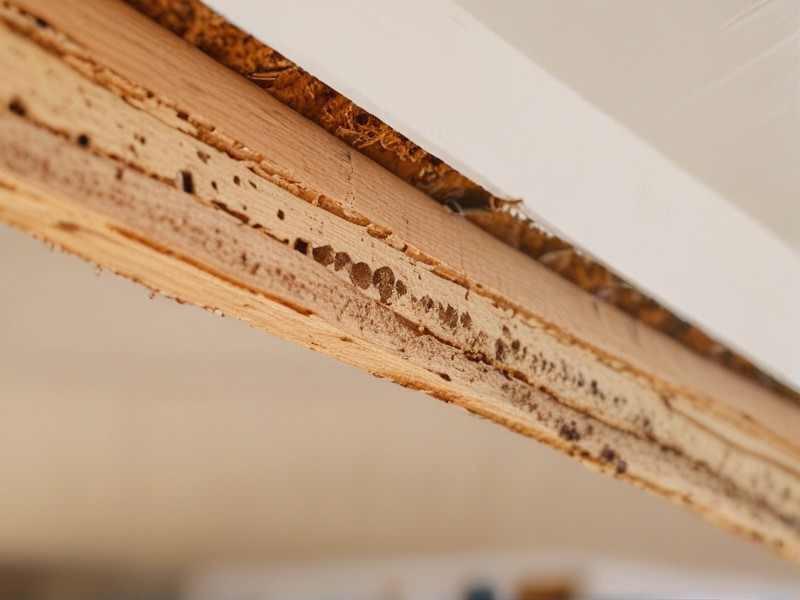
Eastern subterranean termites are the species that damages homes throughout the Lehigh Valley. They nest in soil, travel through mud tubes into foundations, sills and framing, and consume wood from the inside out, which means damage is usually well advanced before anyone notices. The first visible sign is often a spring swarm of winged reproductives near a window or a basement wall, or a pencil-width mud tube running up a foundation block.
Termite control solves problems that general pest service cannot. It addresses a colony living outside the structure, in soil, that must be reached chemically or through baiting rather than by spraying surfaces indoors. It stops ongoing structural loss in sill plates, joists, subflooring and door frames. It also satisfies lender and buyer requirements when a wood-destroying insect inspection report is needed for a property sale.
Fortiva Pest Control approaches termite work as a construction problem as much as a pest problem. Older Allentown housing stock, stone and block foundations, finished basements, slab additions, crawl spaces and attached garages each change where termites get in and where termiticide has to go. Our technicians map conducive conditions, measure the linear footage that needs treatment, and explain the trade-offs between a liquid barrier and a bait system before any work begins. Treatments are documented with a diagram, product name, concentration and application volume, and we return to verify that activity has stopped.
What Our Termite Control Service Covers
Service begins with a full wood-destroying insect inspection. A technician checks the perimeter foundation, crawl space or basement, sill plates, floor joists, support posts, plumbing penetrations, expansion joints, porches, decks, and any wood in contact with soil. We sound suspect timbers, probe damaged areas and look for mud tubes, discarded wings, frass and moisture problems. The inspection takes 45 to 90 minutes depending on the size and accessibility of the structure, and produces a diagram showing where activity and conducive conditions were found.
Liquid termiticide treatment is the most common solution. A trench roughly six inches wide is dug against the foundation on the exterior, treated with a non-repellent termiticide such as fipronil or chlorantraniliprole, and backfilled with treated soil. Where concrete sits against the foundation (patios, driveways, slab porches, garage floors), we drill small holes at intervals, inject termiticide beneath the slab, and patch the holes. Hollow block foundations may be rod-injected through the voids. A typical home requires 150 to 300 linear feet of treatment and four to eight hours of on-site work, usually completed in a single day.
Baiting systems are the alternative where trenching is impractical, where a well or water feature limits liquid use, or where an owner prefers a monitoring-based approach. Stations are installed in soil every eight to twelve feet around the structure, loaded with a chitin-synthesis-inhibiting bait matrix, and inspected on a scheduled cycle. Baiting eliminates the colony over several months rather than immediately.
Direct wood treatment supplements both methods. Borate solutions, foams and injected termiticide are applied into infested framing, mud tubes and wall voids to kill termites inside the structure.
We also address conditions that invite re-infestation: wood-to-soil contact, buried form boards, mulch piled against siding, leaking gutters, poor grading and crawl space moisture. Most treatments carry a renewable warranty with annual re-inspection.
Benefits of Professional Termite Control
Species Identified Before Treatment
Subterranean termites, carpenter ants and old inactive damage are frequently confused. We identify what is actually present and whether it is active before quoting any work, so you do not pay for a full termite treatment to solve a carpenter ant problem or an infestation that died years ago.
Full Perimeter Barrier Coverage
Partial or spot treatments leave gaps that termites find. Our liquid applications treat the complete perimeter, including under attached slabs, through hollow block voids and around plumbing penetrations, so the colony has no untreated route into the structure.
Non-Repellent Termiticides
Modern non-repellent products cannot be detected by termites, so foragers walk through treated soil, pick up the active ingredient and transfer it to nestmates during grooming and feeding. This reaches the colony rather than simply fencing it away from the building.
Written Documentation And Diagram
Every treatment is recorded with a structural diagram, product name, concentration, total volume applied and treated linear footage. This documentation supports real estate transactions, satisfies lender requirements and gives you a baseline if activity ever reappears.
Moisture And Conducive Conditions Review
Termites follow moisture. We flag wood-to-soil contact, grading problems, leaking downspouts, buried lumber and crawl space humidity, and tell you which repairs materially reduce your risk so the treatment is not working against your building.
Warranty With Annual Re-Inspection
Treatments include a renewable warranty backed by a scheduled annual re-inspection. A technician re-checks the perimeter, interior and any previously active areas each year and re-treats covered areas if new activity is found.
Options Explained, Not Sold
Liquid barrier and baiting each fit different properties. We explain cost, timeline, disruption and limitations of both for your specific foundation type and let you choose, rather than defaulting to whichever product is easiest to apply.
How Our Termite Control Process Works
Inspection And Confirmation
A technician inspects the interior, basement or crawl space, foundation perimeter and any attached slabs, confirming live termite activity, identifying the species and mapping entry points, damaged wood and moisture sources on a structural diagram.
Measurement And Written Proposal
We measure treatable linear footage, note where drilling or rod injection is required, and provide a written proposal listing the method, product, warranty terms and total price before any work is scheduled.
Site Preparation
On treatment day we move stored items away from interior foundation walls, clear landscaping and mulch from the trench line, and protect flooring and finished surfaces where interior drilling is needed.
Termiticide Application Or Bait Installation
Trenching, rodding, sub-slab injection and foundation drilling are completed to label specifications, or bait stations are installed on a measured spacing. Infested wood and wall voids receive direct treatment where accessible.
Restoration And Documentation
Drill holes are patched, trenches are backfilled with treated soil and landscaping is replaced. You receive a treatment record showing product, concentration, volume applied and the diagram of all treated areas.
Follow-Up And Annual Monitoring
We return to verify activity has ceased, inspect bait stations on schedule, and re-inspect the property annually under warranty, re-treating covered areas if new termite activity appears.
Frequently Asked Questions
Common questions about termite control
Full liquid barrier treatment for a typical Allentown home generally runs between $1,200 and $3,000, driven by linear footage, foundation type and how much concrete must be drilled. Bait system installation usually starts lower with an annual monitoring fee. Inspections and spot treatments for limited activity cost less. We quote a firm price after inspecting.
Most liquid barrier treatments are completed in four to eight hours on a single day. Larger homes, crawl spaces with poor access or extensive slab drilling can extend into a second visit. Bait station installation takes one to two hours, though colony elimination through baiting typically develops over three to six months.
Occupants can remain in the home during termite treatment in most cases. Liquid termiticide is applied into exterior soil and beneath slabs rather than sprayed in living spaces. If interior drilling or wall-void foaming is required in a specific room, we ask that you stay out of that area until the application dries.
Termiticides applied to label directions are safe for households once the application has dried and treated soil is backfilled. Products are placed in soil and structural voids, not on surfaces people touch. We keep pets and children away from open trenches and drill sites during work and confirm when the area is clear.
Termites contacting a non-repellent liquid termiticide begin dying within days, and visible activity in mud tubes usually stops within two to four weeks as the active ingredient transfers through the colony. Baiting systems work more gradually, typically eliminating a colony over three to six months of continued feeding.
Swarmers can appear for a short period after treatment because winged reproductives already inside wall voids will emerge regardless of soil treatment. Seeing them in the weeks following service is not a treatment failure. Swarmers appearing the following spring, however, warrants a warranty re-inspection, which we provide at no charge.
Termites leave mud tubes, equal-length wings and soil-packed galleries, while carpenter ants leave clean sanded galleries and coarse sawdust-like frass with insect parts. Termite swarmers have straight antennae and a uniform waist; ant swarmers have elbowed antennae and a pinched waist. Our inspection confirms which insect is present before treatment.
Our liquid and bait treatments carry a renewable warranty that includes an annual re-inspection of the structure. If covered activity returns during the warranty period, we re-treat affected areas at no additional charge. Warranty terms, covered areas and renewal cost are listed in writing on your treatment agreement.
Lenders frequently require a wood-destroying insect inspection report before closing, particularly on FHA and VA loans. The report documents active infestation, prior treatment and visible damage. We perform these inspections and issue the standard report form, usually scheduling within a few business days of your request.
Service Areas
We proudly serve these locations
Need Termite Control in Allentown, PA?
Have a pest problem checked out before it spreads. Book a free inspection.
Call (610) 885-3370Last updated